MG and Side Airbags: What You Need to Know Before Fitting a Seat Cover
MG's ZS, HS, MG3 and MG4 all use seat-mounted side airbags. Learn how to check compatibility and avoid seat covers that block deployment.
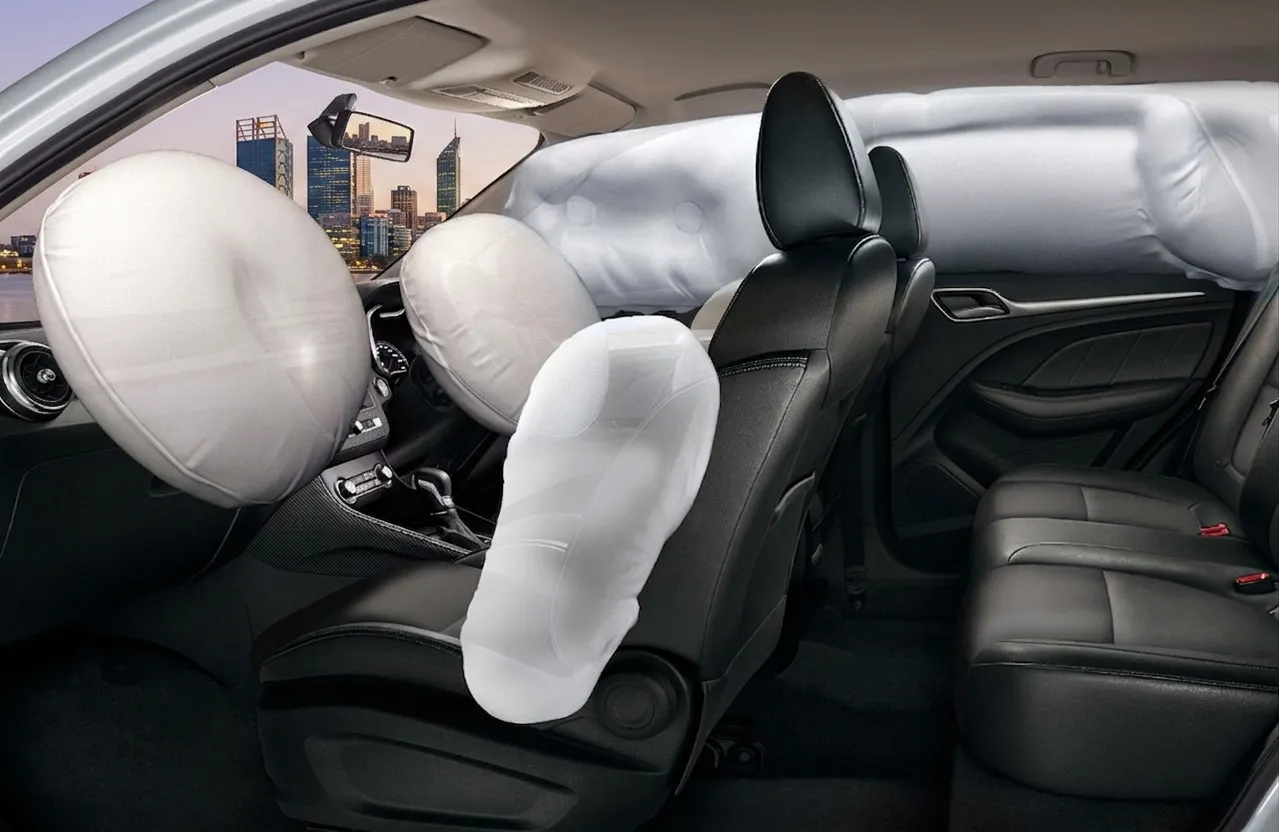
Every current MG model, the ZS, ZS New, HS, MG3 and MG4, comes standard with dual frontal airbags plus side chest and head-protecting airbags built into the outer seat bolsters. Fitting the wrong seat cover isn't just a fit issue, it's a safety issue.
Where MG's Side Airbags Live
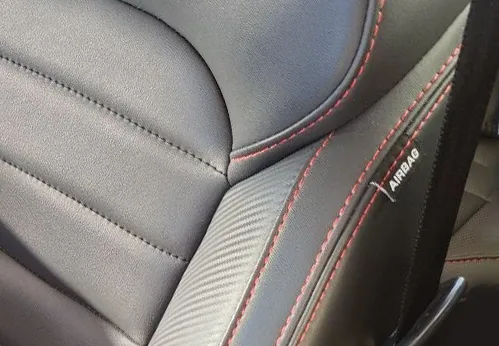
On MG's sport-style wing-bolster seats, the side airbag module sits inside the outer edge of the seatback bolster rather than in the door panel, exactly the area a generic seat cover tends to bridge over rather than follow. MG owner documentation explicitly flags this, stating airbags sit on the outer sides of the seats and warning against fitting covers not designed to accommodate them. MG's own safety guide confirms side airbags are a standard, active safety system meant to deploy outward on impact to protect the torso and head.
Why Generic Covers Are a Real Risk
Universal seat covers are built with a single continuous panel that tents over the bolster instead of tearing away at the airbag zone, and that construction can physically block or redirect deployment. Independent safety analysis has found that generic covers on side-airbag seats carry a meaningfully higher failure rate in deployment testing, and other vehicle manufacturers explicitly warn against non-designed covers for this exact reason. The core danger isn't cosmetic, even one fold of fabric impeding the airbag's expansion path can change how it cushions the body during a side impact.
What a Compatible Cover Actually Needs
- Tear-seam stitching at the airbag zone, using lighter thread than the structural seams so it splits at the correct deployment force.
- A separate airbag panel rather than one continuous piece of fabric, so the release doesn't drag the whole cover sideways.
- Precise alignment of the tear seam with the vehicle's factory deployment seam, not just an approximate cutout.
- Lightweight, low-tensile fabrics at the seam, rigid foam, thick vinyl or laminated composites can block or redirect the airbag.
Beyond Marketing Claims
Generic 'SRS airbag compatible' labels without documentation aren't enough. Legitimate products should be able to point to testing or a compatibility list for the exact model and seat type before you trust them near an active safety system.
Checking Your Own MG Before Fitting Anything
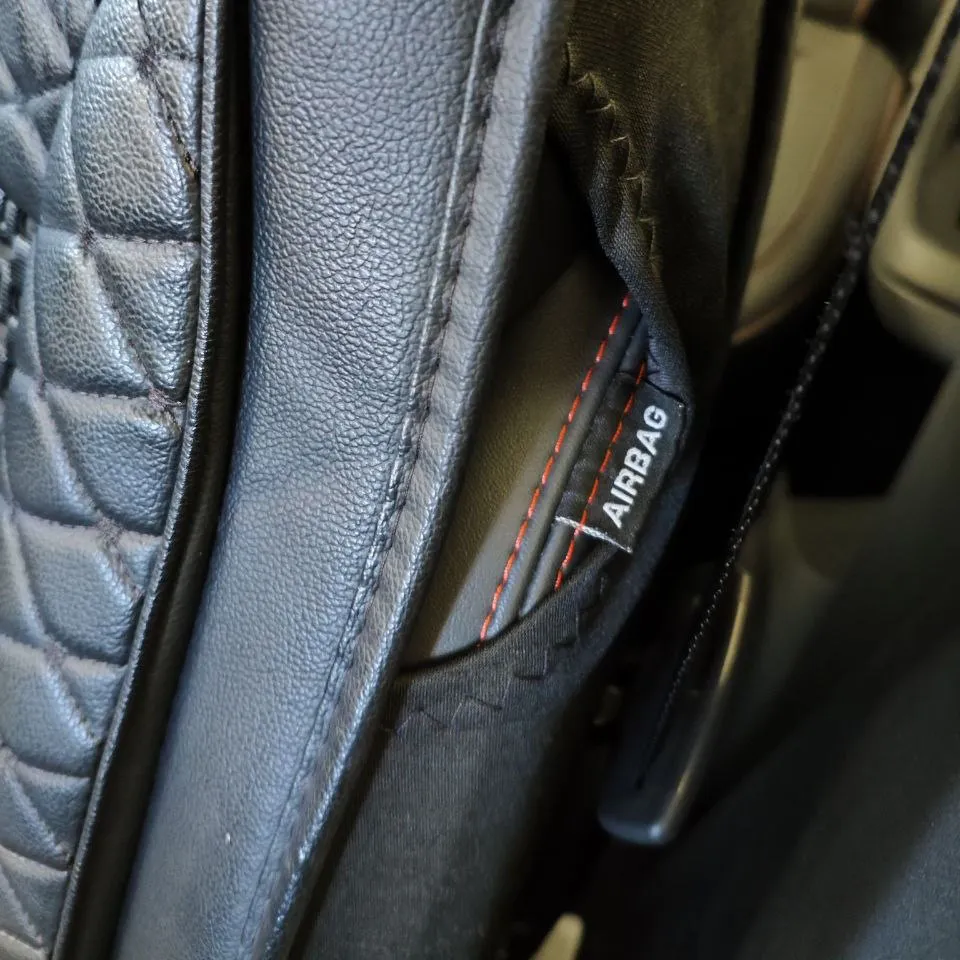
- Look for a small 'AIRBAG' tag on the outer bolster of the front seat, if it's there, the airbag is seat-mounted, as it is across MG's current lineup.
- Cross-reference this against your model's owner's manual airbag section before buying, MG explicitly documents seat-mounted side airbags and cautions against incompatible covers.
- During installation, keep every strap, hook and clip away from the bolster's airbag seam.
- Never add extra staples, glue, or tension near that zone, this can turn a tear-seam design into a solid barrier.